
This page contains info about Cannabis, Terpenes, Flavanoids, Medicinal uses and helpful tips for obtaining prescription medical Cannabis in Germany. Also a configurator to find the best strain for your symptoms that will directly link you to Doctors in Germany that prescribe your required medication online to be delivered to your doorstep.
This project is a work in progress! Contact us if you have any questions or would like a consultation to learn more about how Cannabis could help you improve the quality of your life and treat a multitude of medical conditions and symptoms or if you need help finding a doctor for further information or a prescription.
Navigating life’s intricate fabric, choices unfold paths to the extraordinary, demanding creativity, curiosity, and courage for a truly fulfilling journey.
Thanks for your patience,
DJ Chemo



Terpenes and their effects in cannabis
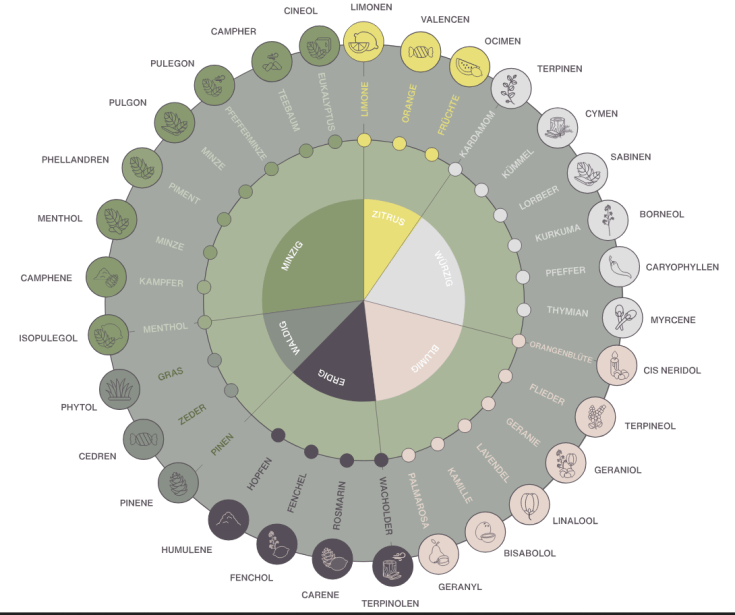

The synergy of cannabinoids and terpenes in medical cannabis
Terpenes are not only responsible for the characteristic scents of cannabis, but they also play a crucial role in the manifold effects of this fascinating plant. In this article we immerse ourselves in the fascinating world of terpenes and shed light on their significant role in the effects of cannabis.
Terpenes: More than fragrances
Terpenes do not serve to create the pleasant aromas of plants. They also perform important functions in the plant kingdom, such as attracting pollinating insects and protecting the plant from pests. But their effect goes far beyond that.
The interaction with cannabinoids: The Entourage Effect
A particularly exciting characteristic of terpenes is their interaction with the cannabinoids and other ingredients of cannabis, known as the “Entourage effect”. This interaction influences how the cannabinoids work in the body and can contribute to a unique and individual experience.
Versatile Effects of Terpenes
Researchers have found that different terpenes may have different effects. Some, such as limonene, pinene and linalool, are appreciated for their calming properties. Others, such as myrcen and caryophyllene, show potential anti-inflammatory and analgesic effects.
The Undiscovered World of Terpenes
Although many terpenes have already been identified in cannabis, not all of them are fully explored. However, the scientific community is constantly striving to find out more about these fascinating connections and uncovering their potential for medical use.
What are cannabis terpenes and what effect do they have?
Terpenes in cannabis are organic hydrocarbons, of which about 140 have been identified. Similar to cannabinoids, they are primarily found in the resin of the plant.
Each cannabis strain is characterized by an individual terpene profile, which determines the specific fragrance. These terpenes have not only aromatic but also therapeutic properties that act independently of the cannabinoids. Thanks to their nanoparticle size, terpenes can penetrate the blood-brain barrier and act in the central nervous system, in contrast to many pharmaceutical substances. Their structure is based on repeating isoprene chains (C5H8), and they are divided into three categories:
Monoterpene
With two isoprene chains they contain 10 carbon molecules (C10H16). Examples from the cannabis plant are limonene, myrcene and pins.
Sesquiterpene
These consist of three isoprene chains, a total of 15 carbon molecules. Caryophylls and Humulene are examples.
Triterpene
With 30 carbon molecules, they are mainly found in parts of industrial hemp. Light promotes its production.
Importance of terpenes in cannabis
Terpenes are particularly concentrated in the flowers of non-angled female plants. Their quantity varies depending on the genetics and growing conditions of the plant. Although cannabinoids (such as THC and CBD) have been intensively investigated, this is less the case in terpenes. Studies suggest that they support the “Entourage effect”, which means that they enhance the effect of cannabinoids. Some terpenes can also affect the amount of THC that enters the brain. Therefore, they modify the overall effect of cannabis. Research indicates that terpenes may also influence dopamine and serotonin levels. A subsequent analysis presents the various terpenes and their characteristic flavours, therapeutic benefits and medical applications.
Terpenes are aromatic compounds found in many plants, including cannabis. They are responsible for the smell, taste and color of cannabis, but they also have medicinal effects. Terpenes can interact with cannabinoids and increase the so-called entourage effect, in which the overall effect of cannabis is greater than the sum of its parts.
There are over 100 different terpenes in cannabis, but some are more common than others. In this blog post, I will introduce you to some of the most important terpenes you can find in your medical cannabis and explain their properties and benefits.
Myrcene
Myrcene is an isomer of beta-myrcene with a similar earthy and musky fragrance. It is also found in hops, lemongrass and thyme. Myrcene has a similar effect to beta-myrcene, but it can also help to promote muscle relaxation and increase drowsiness.
D-Limonen
D-Limonen is an isomer of lime with a similar citrus scent. It is also found in citrus fruits. D-Limonene has a similar effect as limonene, but it can also help to relieve heartburn and promote digestion.
Pinene
Pinene is a collective term for two isomers of monoterpenes: alpha pinene and beta pinene. They both have a fresh and resinous scent that reminds of pine trees. They are also found in pines, rosemary, sage and eucalyptus. Pinenes have a stimulating effect on the brain and can improve concentration, memory and alertness. They also have bronchodilatatory, anti-inflammatory, antioxidant and antimicrobial properties.
Alpha-Pinene
Alpha pinene is a monoterpene that has a fresh and resinous fragrance. It is also found in pine, rosemary and sage. Alpha pinene has a stimulating effect on the brain and can improve concentration, memory and alertness. It also has bronchodilatatory, anti-inflammatory, antioxidant and antimicrobial properties.
Alpha-2-Pinene
Alpha-2-pinene is an alpha pinomer with a similar fresh and resinous scent. It is also found in pine trees. Alpha-2 pins has a similar effect as alpha-pinene, but it can also help improve concentration, memory and alertness.
Beta-2-Pinene
Beta-2-pinene is an isomer of beta-pinene with a similar fresh and resinous scent. It is also found in pine trees. Beta-2 pins have a similar effect to beta-pinene, but it can also help relieve asthma and open the respiratory tract.
Alpha-Caryophyllene
Alpha-Caryophyllene is an isomer of beta-caryophyllene with a similar spicy and peppery fragrance. It also occurs in black pepper, cloves and cinnamon. Alpha-caryophyllene has a similar effect to beta-caryophyllene, but it can also help reduce anxiety and improve mood.
Beta-Caryophyllene
Beta-Caryophyllene is a sesquiterpen that has a spicy and peppery fragrance. It also occurs in black pepper, cloves and cinnamon. Beta-caryophyllene is a special terpene because it binds to the CB2 receptors of the endocannabinoid system and has an anti-inflammatory, analgesic and immunomodulating effect. It also has antitumoral, neuroprotective and antidepressant properties.
Trans-Caryophyllene
Trans-Caryophyllene is an isomer of beta-caryophyllene with a similar spicy and peppery fragrance. It also occurs in black pepper, cloves and cinnamon. Trans-Caryophyllene has a similar effect to beta-caryophyllene, but it can also help reduce anxiety and improve mood.
Alpha-Bisabolol
Alpha-Bisabolol is a sesquiterpen that has a sweet and floral fragrance. It is also found in chamomile. Alpha-bisabolol has a soothing and healing effect on the skin and can help relieve wounds, irritation and inflammation. It also has antioxidant, antimicrobial and antitumor properties.
Humulen
Humulen is an isomer of alpha-humulen with a similar woody and earthy scent. It also occurs in hops, sage and ginseng. Humulen has a similar effect as alpha humulen, but it can also help suppress appetite and promote weight loss.
Beta-Ocimem
Beta-Ocimem is an isomer of Ocimen with a similar fresh and herbaceous scent. It is also found in basil, mint and mango. Beta-Ocimem has a similar effect to Ocimen, but it can also help to facilitate breathing and open the respiratory tract.
Cis-Ocimen
Cis-Ocimen is an isomer of Ocimen with a similar fresh and herbaceous fragrance. It is also found in basil, mint and mango. Cis-Ocimen has a similar effect to Ocimen, but it can also help to raise the mood and promote creativity. It also has anti-inflammatory, antiviral and antifungal properties.
Gamma-Elemen
Gamma-Elemen is a sesquiterpen that has a woody and earthy fragrance. It also occurs in hops, sage and ginseng. Gamma elemen has an anti-inflammatory effect and can help relieve pain and strengthen the immune system.
Alpha-Guaien
Alpha-Guaien is a sesquiterpene that has a woody and pine-like scent. It is also found in cypresses, guaiac wood and rosemary. Alpha-Guaien has an antimicrobial effect and can help fight infections and improve oral health.
Gamma-Selinen
Gamma selinen is a sesquiterpene that has a woody and earthy fragrance. It also occurs in hops, sage and ginseng. Gamma selinen have an anti-inflammatory effect and can help relieve pain and strengthen the immune system.
Gamma-Cadinen
Gamma cadinen is a sesquiterpene that has a woody and musky fragrance. It is also found in cedarwood, sandalwood and patchouli. Gamma cadinen has a calming effect on the nervous system and can help alleviate anxiety, stress and insomnia. It also has anti-inflammatory, antioxidant and antimicrobial properties.
Trans-Bergamoten
Trans-Bergamoten is a monoterpenoid that has a citrusy and floral fragrance. It is also found in bergamot, grapefruit and lime. Trans-Bergamoten has a mood-enhancing effect and can help reduce depression, anxiety and stress. It also has antiseptic, antiviral and antifungal properties.
Trans-β-Farnesen
Trans-ß -Farnesenen is a sesquiterpene that has a sweet and fruity fragrance. It is also found in apples, pears and oranges. Trans-ß…farnesen has a relaxing effect on the nervous system and can help relieve anxiety, stress and insomnia. It also has anti-inflammatory, antioxidant and antimicrobial properties.
p-Cymen
p-cymen is a monoterpene that has a citrusy and spicy scent. It also occurs in thyme, oregano, and p-cymen has an antiseptic effect and can help fight infections and improve oral health.
Fenchol
Fenchol is a monoterpenoid that has a fresh and herbaceous scent. It is also found in fennel, basil and lavender. Fenchol has a refreshing effect on breathing and can help open the respiratory tract and loosen mucus. It also has antiseptic, antiviral and antifungal properties.
Alpha-Cedren
Alpha-Cedrene is a sesquiterpenoid that has a woody and ceder-like fragrance. It also occurs in cedar wood. Alpha-cedrene has a calming effect on the nervous system and can help relieve anxiety, stress and insomnia. It also has anti-inflammatory, antioxidant and antimicrobial properties.
α-Selinen
α-Selinen is a sesquiterpenoid that has a woody and earthy fragrance. It also occurs in hops, sage and ginseng. α-Selinen has an anti-inflammatory effect and can help relieve pain and strengthen the immune system.
trans-Nerolidol
trans-Nerolidol is an isomer of Nerolidol with a similar woody and fruity fragrance. It also occurs in jasmine, ginger and lemongrass. trans-Nerolidol has a similar effect as nerolidol, but it can also help maintain and regenerate the skin. It also has anti-inflammatory, antioxidant and antimicrobial properties.
Farnesen
Farnesen is a sesquiterpene that has a sweet and fruity fragrance. It is also found in apples, pears and oranges. Farnesen has a relaxing effect on the nervous system and can help relieve anxiety, stress and insomnia. It also has anti-inflammatory, antioxidant and antimicrobial properties.
Geraniol
Geraniol is a monoterpenoid that has a floral and rose-like fragrance. It is also found in roses, geraniums and lemons. Geraniol has a mood-enhancing effect and can help reduce depression, anxiety and stress. It also has antiseptic, antiviral and antifungal properties.
Geranylacetat
Geranylacetat is an ester of geraniol with a similar floral and rose-like fragrance. It is also found in roses, geraniums and lemons. Geranylacetat has a similar effect as Geraniol, but it can also help to care for and regenerate the skin. It also has antiseptic, antiviral and antifungal properties.
Linalool
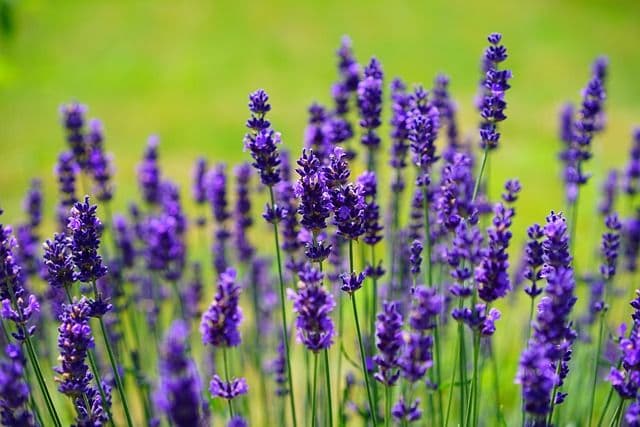
Linalool is a monoterpenoid that has a floral and lavender-like fragrance. It is also found in lavender, mint and laurel. Linalool has a calming effect on the nervous system and can help alleviate anxiety, stress and insomnia. It also has anticonvulsive, neuroprotective and antitumor properties.
Nerolidol
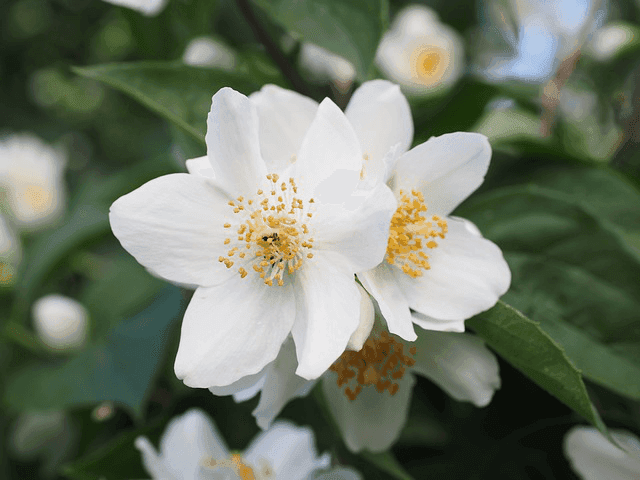
Nerolidol is a sesquiterpenoid that has a woody and fruity fragrance. It is also found in jasmine, ginger and lemongrass. Nerolidol has a calming effect on the nervous system and can help relieve anxiety, stress and insomnia. It also has anti-inflammatory, antioxidant and antimicrobial properties.
Bisabolol

Bisabolol is an isomer of alpha-bisabolol with a similar sweet and floral fragrance. It is also found in chamomile. Bisabolol has a similar effect to alpha-bisabolol, but it can also help to speed up wound healing and soothe the skin. It also has antioxidant, antimicrobial and antitumor properties.
Camphen
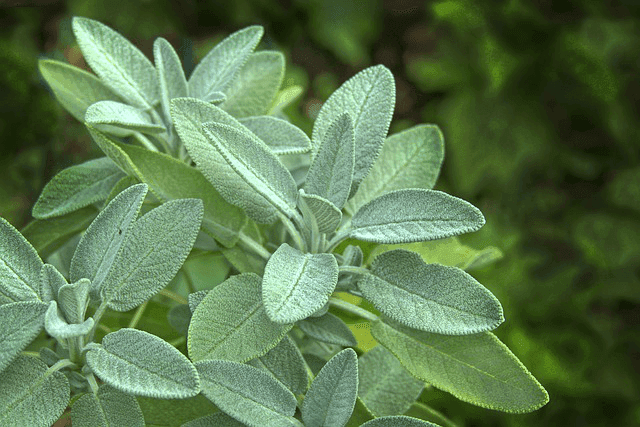
Camphen is a monoterpene that has a spicy and campher-like scent. It also occurs in cypress, rosemary and sage. Camphen has a refreshing effect on breathing and can help to open the respiratory tract and loosen mucus. It also has antiseptic, antiviral and antifungal properties.
Terpinolen
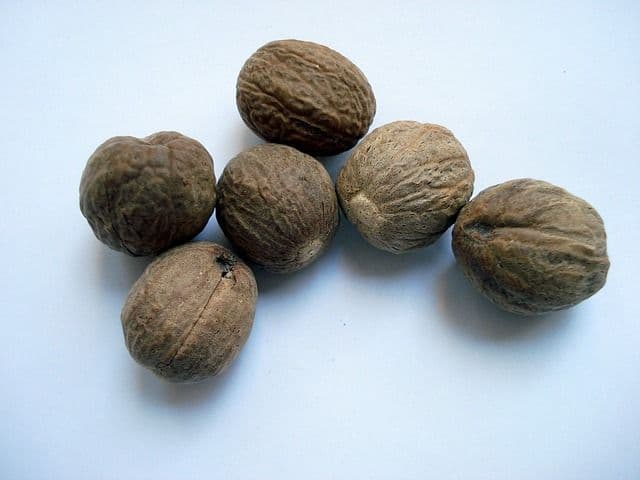
Terpinolen is a monoterpene that has a floral and woody scent. It is also found in tea tree oil, pine needles and nutmeg. Terpinolen has a calming effect on the nervous system and can help alleviate anxiety, stress and insomnia. It also has anti-inflammatory, antioxidant and antimicrobial properties.
Alpha-Terpineol
Alpha-terpineol is a monoterpenoid that has a floral and lily-like fragrance. It also comes in tea tree oil, eucalyptus and jasmine. Alpha-terpineol has a calming effect on the nervous system and can help relieve anxiety, stress and insomnia. It also has anti-inflammatory, antioxidant and antimicrobial properties.
Beta-Myrcen
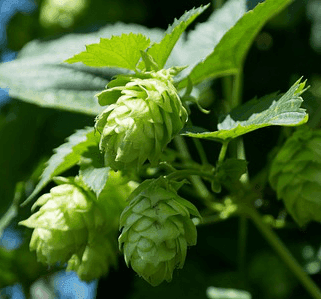
Beta-myrcene is another monoterpene that has an earthy and musky smell. It is also included in hops, lemongrass and thyme. Beta-myrcene is one of the most common terpenes in cannabis and can account for up to 50% of the terpene profile. Beta-myrcene has a relaxing and pain-relieving effect and can enhance the effect of THC by facilitating the blood-brain barrier. It also has anti-inflammatory, antioxidant and antimicrobial properties.
Limonen
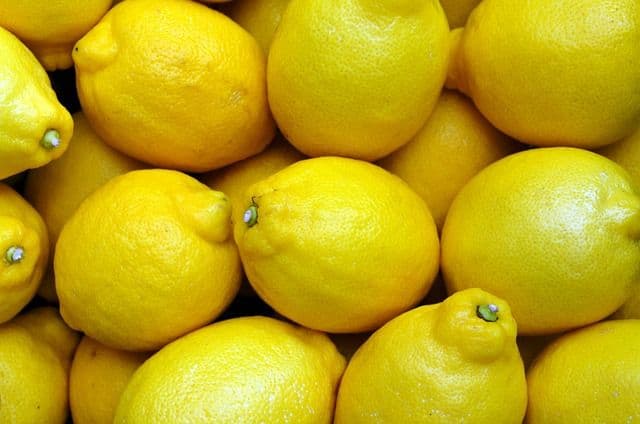
Limonene is a monoterpene that has a citrusy fragrance. It is also found in lemons, oranges and grapefruits. Limonene is a mood whitener and can help reduce depression, anxiety and stress. It also has antiseptic, antiviral and antifungal properties and can improve the intake of other terpenes and cannabinoids.
Beta-Pinen
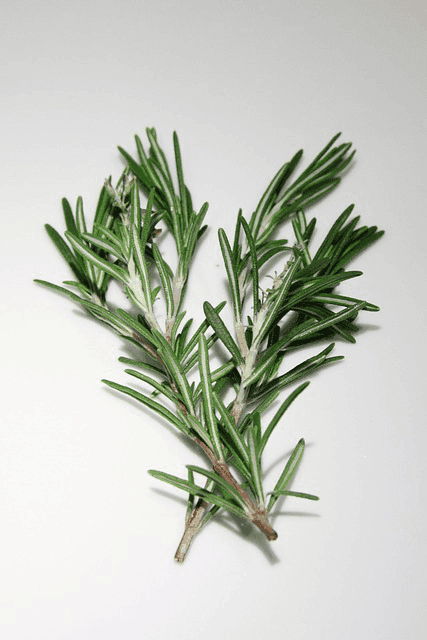
Beta-pinen is an isomer of alpha pinen with a similar fresh and resinous fragrance. It is also found in pine trees. Beta penetones has a similar effect to alpha-pinen, but it can also help relieve asthma and open the airways.
Alpha-Humulen
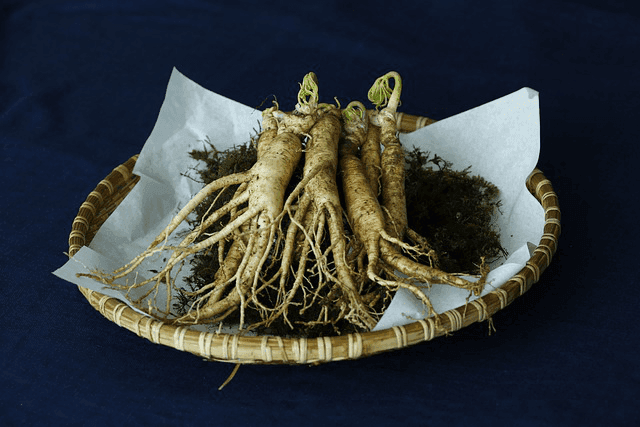
Alpha-Humulen is a sesquiterpene that has a woody and earthy scent. It also occurs in hops, sage and ginseng. Alpha humulen has an anti-inflammatory effect and can help relieve pain and strengthen the immune system.
Ocimen

Ocimen is a monoterpene that has a fresh and herbaceous fragrance. It is also found in basil, mint and mango. Ocimen has a stimulating effect on the brain and can help to promote creativity and raise mood. It also has anti-inflammatory, antiviral and antifungal properties.
Guaiol
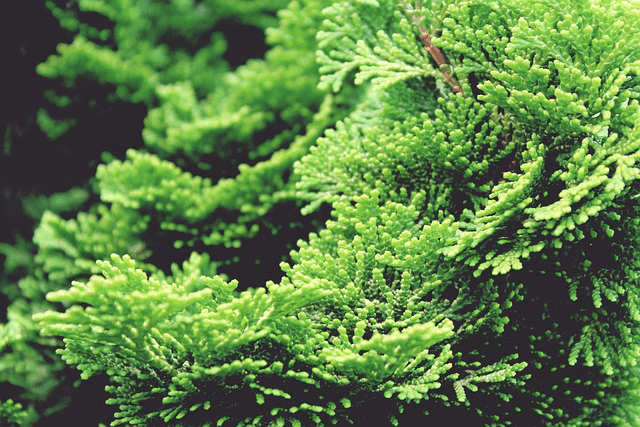
Guaiol is a sesquiterpene that has a woody and pine-like fragrance. It is also found in cypresses, guaiac wood and rosemary. Guaiol has an antimicrobial effect and can help fight infections and improve oral health.
Caryophyll oxide
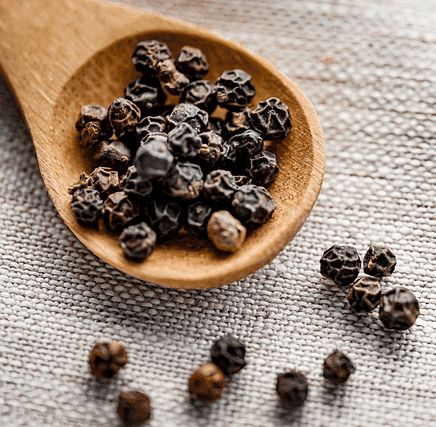
Caryophyll oxide is a sesquiterpene that has a spicy and peppery scent. It also occurs in black pepper, cloves and cinnamon. Caryophyll oxide is a special terpene because it binds to the CB2 receptors of the endocannabinoid system and has an anti-inflammatory, analgesic and immunomodulating effect. It also has antitumoral, neuroprotective and antidepressant properties.

Flavonoids
What do flavonoids mean in the context of cannabis and what functions do they perform?
Flavonoids belong to the so-called “phytonutrients”, chemical compounds found in plants. They can be found in almost all types of fruit and vegetables and often give them their bright colors. In addition, these effective molecules have therapeutic properties which, if taken or applied externally, can have health benefits.
Their therapeutic properties have made flavonoids an essential ingredient in many products from the fields of nutritional supplements, pharmaceuticals, medicine and cosmetics. There are more than 6,000 different species of flavonoids, which are divided into six main categories.
These include anthocyanide, flavan-3-Ole, Flavonole, Flavone, Flavanone and Isoflavone.
Cannabis is rich in potential active ingredients, known as flavonoids. Within the flavonoid family in cannabis there is a specific subgroup known as “Cannaflavine”. Scientists originally identified specific flavonoids in cannabis as “Cannflavin A” and “Cannflavin B”. Since then, researchers have discovered about 20 additional flavonoids in cannabis, which are mainly subtypes “Flavon” and “Flavonol” and include compounds such as luteolin, kaempferol and quercetin.
The presence of cannaflavinen can affect how a cannabis strain or strain affects the human body. Interestingly, the compounds contained in cannabis may show varying effects, depending on the specific mix of these compounds. This phenomenon is called an “Entourage effect”. It underlines that the ingredients of cannabis interact synergistically to achieve a combined effect that goes beyond the action of a single ingredient, unlike many traditional synthetic drugs.
The variety of compounds in cannabis allows for an almost countless amount of combinations that could affect the entourage effect, including flavonoids. Studies have shown that flavonoids may be able to modify the effect of THC, similar to CBD. Some flavonoids could affect the metabolism of THC and thus change its effect on the body. Flavonoids have enormous therapeutic potential. Although research on these cannabis plant compounds is still in its infancy, the preliminary results are hopeful.
The upcoming list provides an overview of a part of the flavonoids, their characteristic colours and therapeutic benefits.
Apigenin
soothing, anxiergent effects
Shows anti-inflammatory activity
Can play a role in inhibiting cancer cell proliferation
Anthocyanins
Strong antioxidant properties
anti-inflammatory activity
Cannflavin A / Cannflavin B
Showing strong anti-inflammatory activity which is even stronger than many OTC inflammatory inhibitors
Isovitexin
Antioxidant effect. May be cytotoxic to certain cancer cells.
Isovitexin
Antioxidant properties
Can play a protective role in cardiovascular diseases
Shows a certain anti-cancer activity
Luteolin
Strong antioxidant and anti-inflammatory effect.
Can have neuroprotective properties.
Orientin
Anti-oxidant.
Cytotoxic effects on certain cancer cells
Anti-inflammatory properties
Quercetin
Known for its antioxidant and anti-inflammatory properties.
Supports heart health
Shows anti-cancer activity
Silymarin
While it is technically not a flavonoid, it is often discussed in terms of its health-promoting properties.
Supports prostate health
Antiinflammatory effect
Vitexin
Shows antioxidant and anti-inflammatory activity
Has cytotoxic effect on certain cancer cells
Sources:
https://www.royalqueenseeds.de/content/198-what-are-cannabinoids-and-war-war-it-important
https://higreen.de/medizinisches-cannabis/entourage-effekt/was-sind-terpene/
https://flowzz.com/ratgeber/terpene

Work with us
Our mission is to challenge the status quo, embrace innovation, and create meaningful, lasting impact through everything we do. Driven by a vision to inspire change, push boundaries, with knowledge and experience that truly makes a difference. Contact us if you are interested in Helping us share information about Medical Cannabis.

 DJ Chemo